Chester County covers about 760 square miles — from the western edge of Philadelphia's suburbs all the way out to the Amish farmland near Lancaster. You cannot cover it in a single meal, and the pizza scene reflects that. What you get in West Chester is not what you get in Coatesville, and what you get in Kennett Square is not what you get in Phoenixville. Here is an honest guide, borough by borough, with real recommendations and zero pay-to-play.
West Chester. The borough is walking distance from one end to the other and has, by our count, eight pizza shops that are actually open past 9 p.m. on a weekday. Our own recommendation — not that we are unbiased — is to get a whole classic cheese pie and a single pepperoni slice from us at 136 E Market. Order the slice first and eat it at the counter so you know what the pie is going to taste like hot. Pick up the whole pie on your way out. If you want a completely different style, try a square Detroit-style pie from one of the newer shops near Gay Street; it is a different food but well-executed.
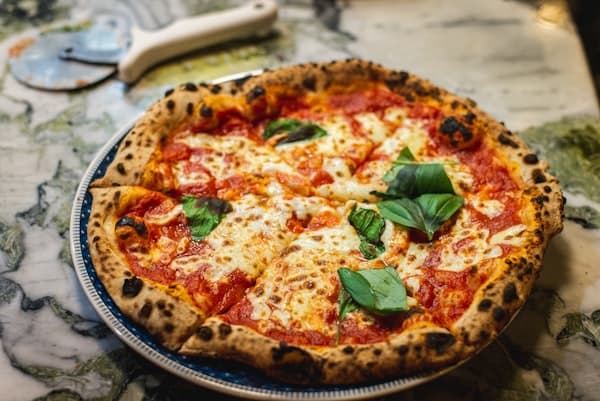
Phoenixville. The rehabilitated downtown has three pizza shops worth a visit, two of them doing wood-fired Neapolitan pies that run softer and wetter than our New Haven style. A Margherita from one of those places is a very different experience than one of our cheese pies — pooled buffalo mozzarella, charred crust with a leopard-spotted lip, 90 seconds in the oven. If you have only eaten New Haven-style your whole life, try a Neapolitan once. You will understand the family tree better.
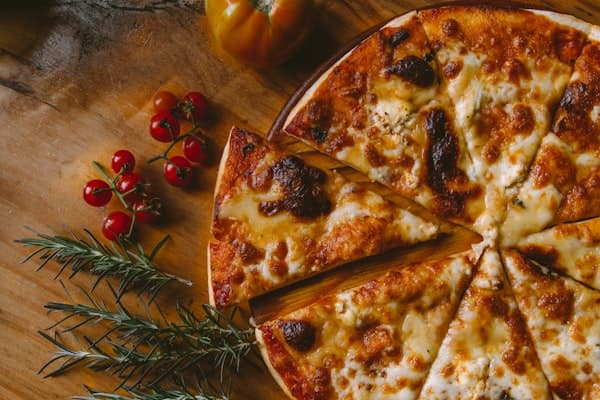
Kennett Square. The mushroom capital of the U.S., and unsurprisingly at least two pizza shops in town treat the local mushroom farms as a supplier. Get a white pie with locally grown cremini and shiitake, on a thinner crust. It is the single most regionally specific pizza you can order in Chester County.
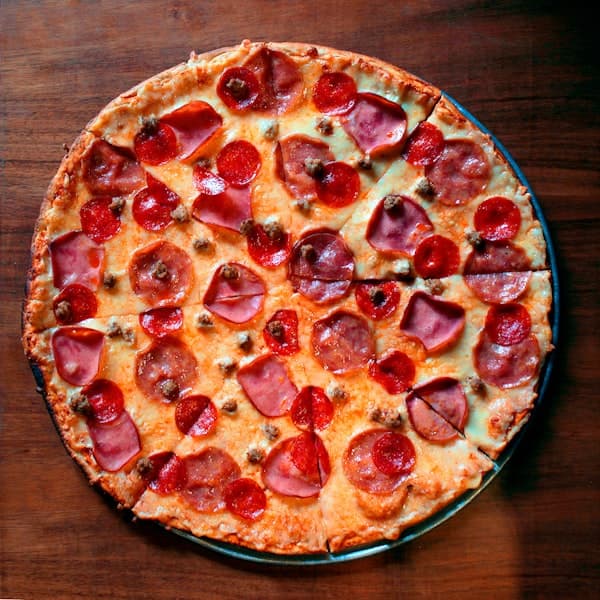
Coatesville. Coatesville has a different pizza culture — more tavern-style, thinner, crispier, often square-cut. There is a family-run shop downtown that has been in the same ovens since the late 1960s, and their pepperoni slice is a reference point for everybody else in town. The recipe has not changed. They are not on Instagram. That is part of the charm.
Downingtown and Exton. The 202 corridor is heavy on chain pizza. There are a handful of independents worth knowing about, but do not expect a lot of adventurous menus; this is where people want a reliable family pie on a Wednesday night. A good Sicilian, a workmanlike pepperoni, a clean white pie. No surprises is the whole point.
Chadds Ford and the brandywine corridor. Fewer pizza shops here, more full-service restaurants. If you are eating in this part of the county you are probably not ordering pizza — but a couple of the Italian-American restaurants along Route 1 do pizza as a side product and one of them, in particular, is worth knowing about if you find yourself in the area at lunch.
A few rules that apply everywhere in Chester County:
- Order a slice first. Every pizza shop's pie tells a different story hot vs. cold. A slice at the counter is the cheapest way to find out whether you want to commit to the whole thing. - Look at the underside. Blonde bottom = underbaked. Uniform dark brown with black char spots = what you want. Uniform black = burnt. - Ask what the house pie is. If the shop can answer in one sentence, they have identity. If they have to list ten things, they are running a menu, not a pizza shop.
The Chester County pizza scene in 2026 is better than it has been in a decade. New shops are opening with real ambition. Older shops, under pressure, are stepping up their game. Every borough has at least one pizza worth a detour. The most exciting thing about living here right now is that you can eat four completely different styles of pizza in four different towns on four consecutive nights, all within a thirty-minute drive of home. Do that. Pick the style you love the most. Then come back to us for the one we think does it best.